Irrigation Services in Lubbock, TX – Drip Systems, and Drainage
Lubbock’s irrigation ordinance, caliche soil, and hard-freeze winters make irrigation installation and repair more technically specific here than in most Texas markets.
Every system we install or repair is designed to comply with City of Lubbock watering requirements and the TCEQ licensing standards that govern irrigation work in Texas.
We handle drip irrigation, sprinkler system installation and repair, backflow prevention, and yard drainage for residential and commercial properties across the South Plains.
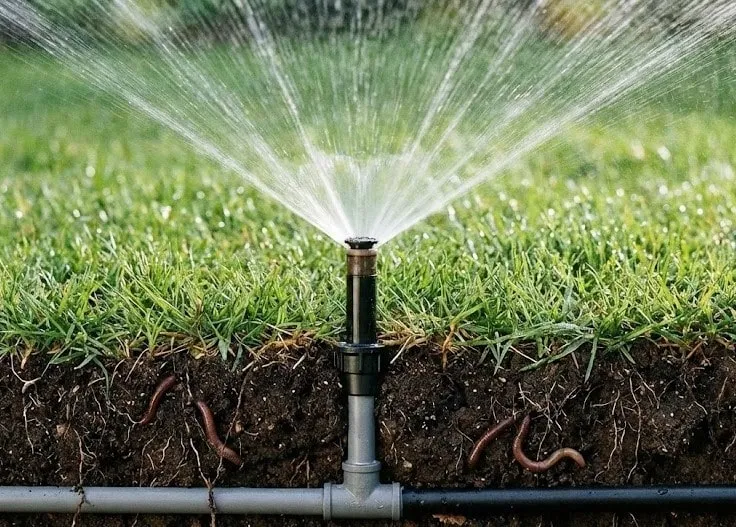
What Irrigation Work in Lubbock Requires
Ace Landscaping installs, repairs, and maintains drip irrigation and sprinkler systems for residential and commercial properties across Lubbock and the South Plains. All work is performed by or under the direct supervision of a Texas Licensed Irrigator (LI) as required by the Texas Commission on Environmental Quality (TCEQ).
Our approach stays practical. Every system is designed around Lubbock’s watering ordinance, the soil and drainage conditions of the property, and the water needs of what is being irrigated.
Lubbock combines challenges that are rarely found together: a city-enforced two-day watering schedule, caliche hardpan that prevents normal drainage, hard-freeze winters that damage unprotected components, and sustained winds that cause significant spray drift waste. A system designed without accounting for all four of these factors will underperform or fail within a season or two.
City code requires automatic sprinkler systems installed after October 1, 2006 to include a freeze sensor set to stop operation at 35 degrees Fahrenheit and a rain sensor set to shut off at one-quarter inch of moisture or more. These are legal requirements, not optional upgrades. We check sensor function and ordinance compliance on every service call, including systems installed before the 2006 requirement took effect.
Drainage is closely tied to irrigation performance on most Lubbock properties. Caliche hardpan does not absorb water the way normal soil does – overwatering saturates the surface layer and pools rather than reaching roots. If your yard has standing water after irrigation cycles, the fix is often a combination of system scheduling adjustments and drainage corrections. Our yard drainage team handles grading and drainage issues that affect irrigation efficiency. Addressing both together produces better results than treating them as separate problems.
For properties with new or planned landscaping, we design the irrigation layout alongside the plant layout so head placement, drip emitter spacing, and zone configuration match what is actually being watered. See our landscaping services for how we approach plant installation and bed design.
The result is a system that runs within city rules, conserves water, and holds up through Lubbock’s seasonal extremes.
Irrigation Services We Provide in Lubbock, TX
Lubbock’s two-day watering ordinance, hard caliche soil, and summer heat require irrigation systems that are zoned, scheduled, and maintained specifically for this environment. A system set up for Dallas or Houston conditions will not work correctly here.
We handle new installations, full system upgrades, targeted repairs, and seasonal maintenance for both drip and spray-based systems. Every project starts with a site evaluation to assess soil conditions, current coverage gaps, head placement, and whether the existing controller schedule aligns with the city’s allowed watering days.
For properties that also need ongoing lawn care, we coordinate irrigation scheduling with mowing and fertilization timing so the two programs support each other rather than work against each other. For properties with hardscaping around planting beds, we design drip zones that deliver water precisely to roots without saturating the surrounding paved surfaces.
From layout planning to performance tuning, we support healthy lawns and adjustable water use.
Efficient Irrigation System
Drip irrigation delivers water directly to the root zone through low-pressure emitters, which eliminates the spray drift waste that Lubbock’s wind causes with traditional sprinkler heads. It also allows precise watering of individual plants or bed zones without saturating adjacent areas. We size emitters and pressure regulators for each zone based on plant type and soil conditions, and install line filters to prevent emitter clogging from Lubbock’s mineral-heavy water supply. Drip systems work particularly well alongside newly installed landscaping where plant-by-plant water delivery supports establishment without overwatering.
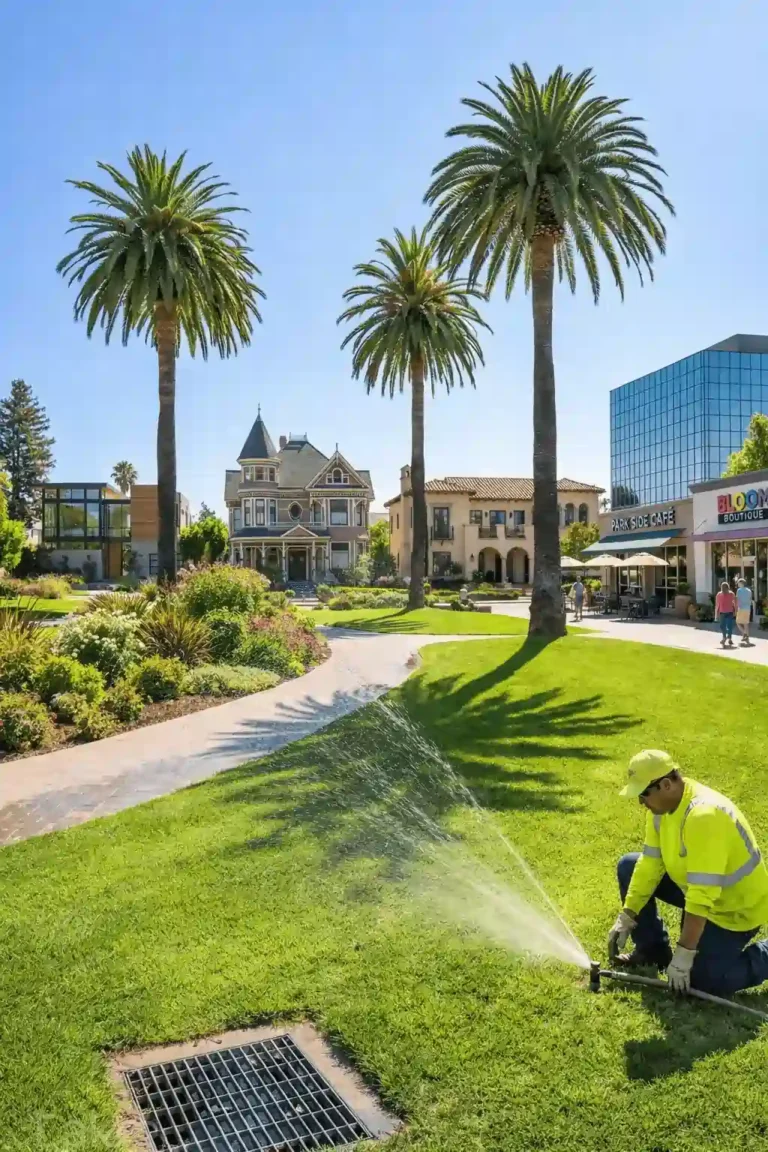
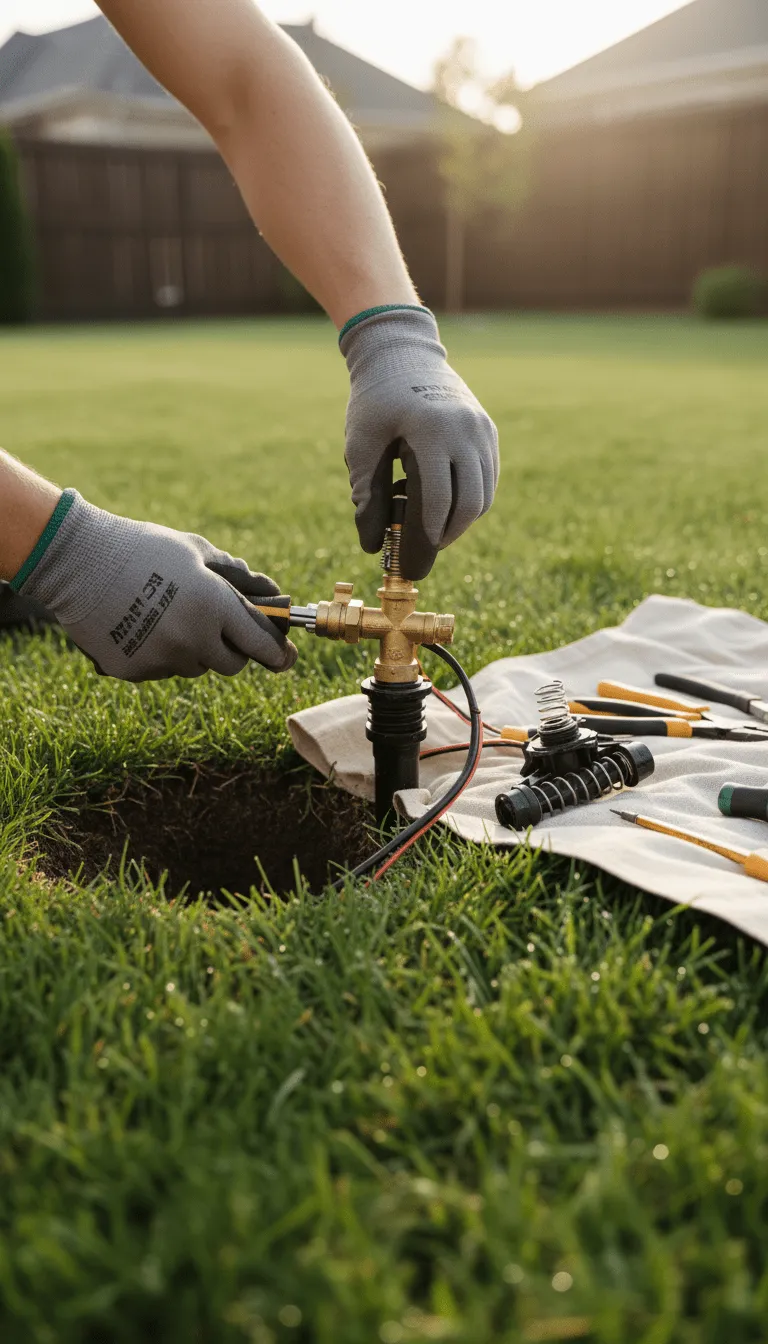
Sprinkler System Installation & Repair
A new sprinkler system in Lubbock requires proper head selection, correct zone layout for the two-day watering schedule, and mandatory freeze and rain sensors. We design coverage zones to minimize overlap waste while ensuring full coverage, and we select head types based on the area being covered — rotary heads for lawn areas, fixed spray heads for beds and borders. Controller programming is set to comply with current City of Lubbock watering day restrictions before we hand off the system. All installation work is performed under TCEQ Licensed Irrigator supervision as required by Texas law.
Common issues we repair include broken or sunken heads, zone valve failures, controller malfunctions, freeze-damaged supply lines, and spray drift problems from heads that have shifted or been damaged. We diagnose by running each zone manually and checking pressure, coverage, and head function before recommending any repair. Sensor failures are one of the most overlooked issues on existing systems — a freeze sensor that has failed will allow the system to run during a hard freeze, which typically bursts poly pipe and damages backflow preventers.
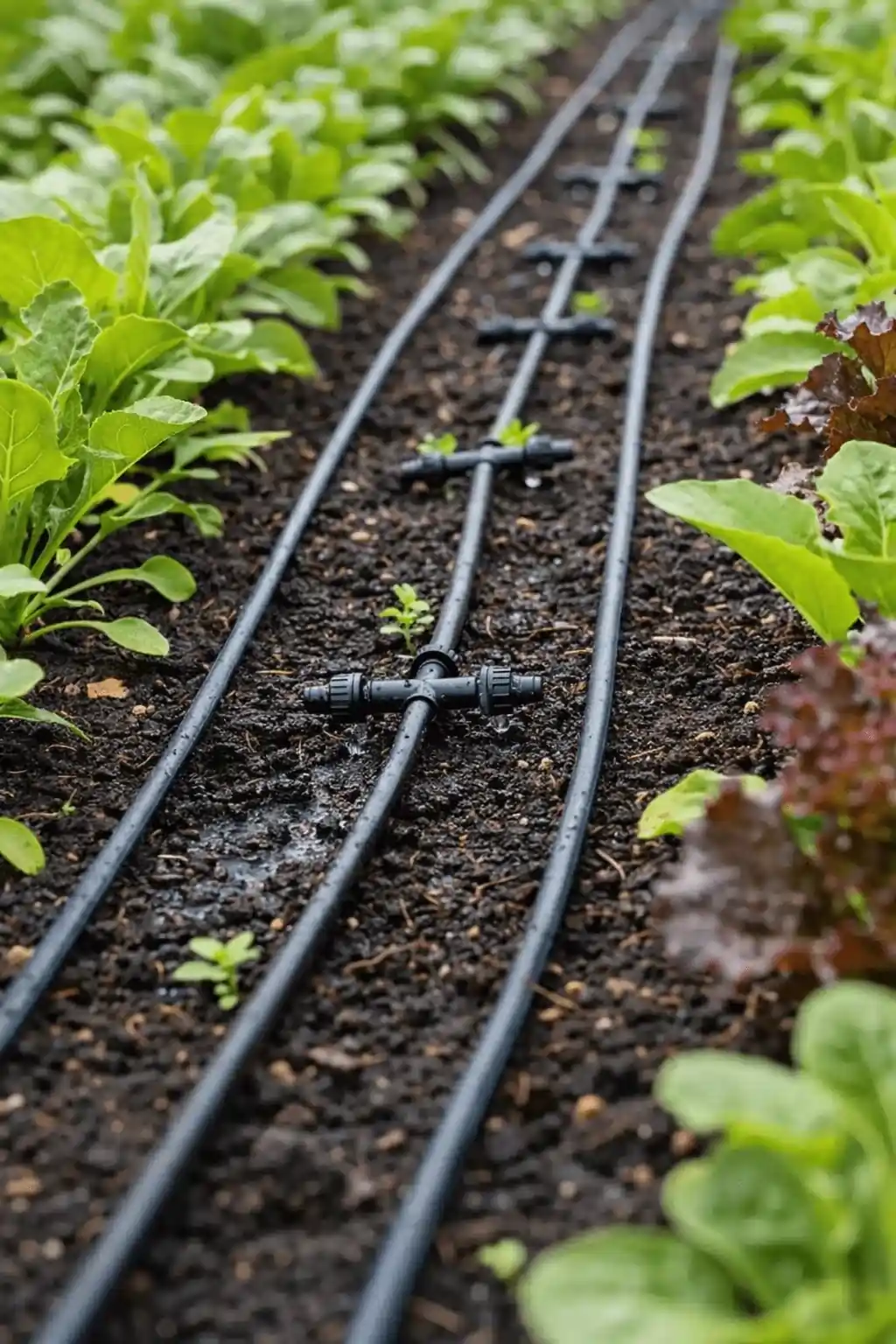
Drip Irrigation
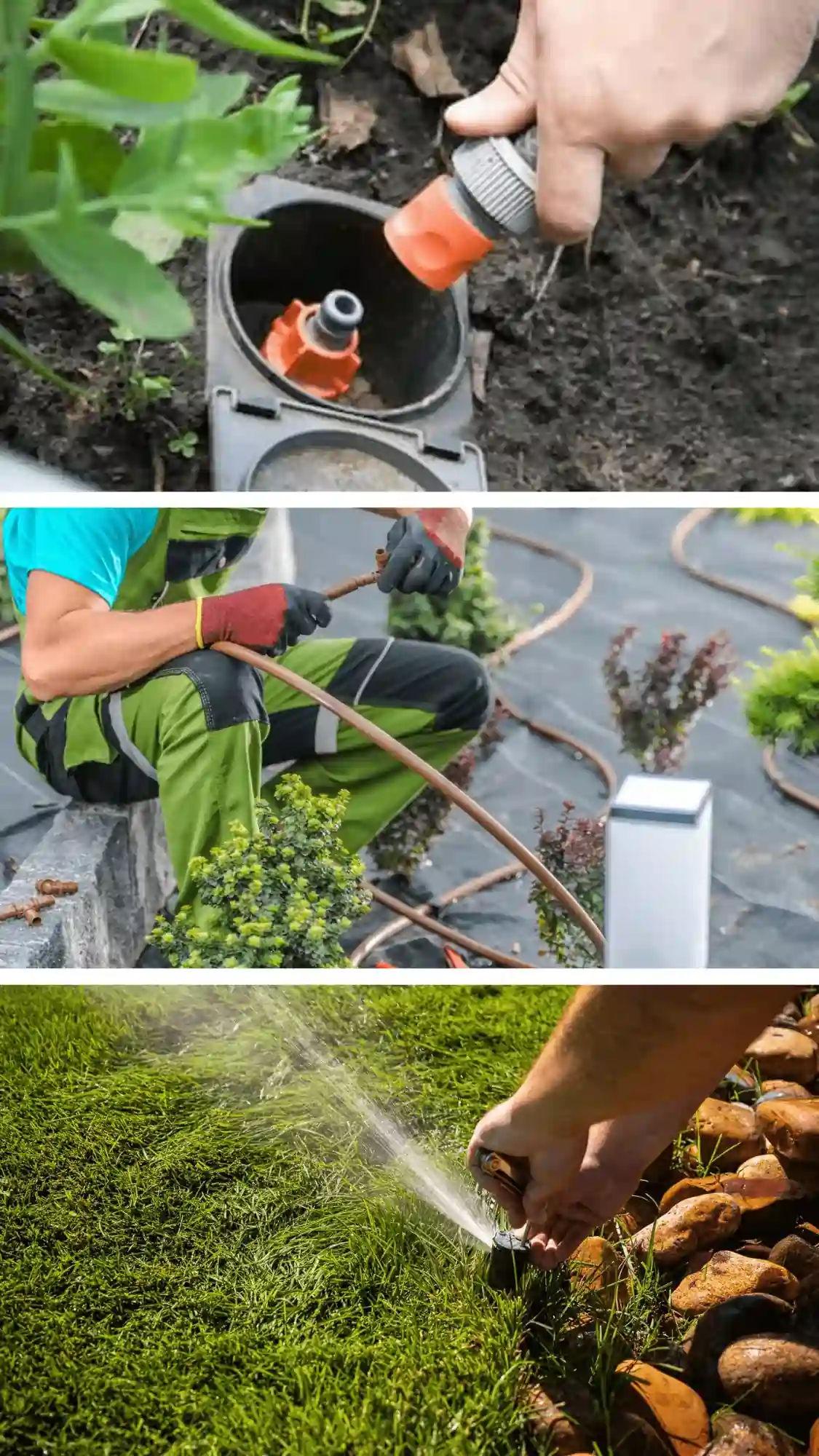
Drip irrigation delivers water directly to the root zone at low pressure, eliminating the spray drift waste that is significant in Lubbock’s wind environment. Standard spray heads can lose 30 to 50 percent of output to drift at 20 mph sustained wind. Drip is the better choice for garden beds, tree rings, and shrub borders where plant spacing allows individual emitter placement.
For turf areas, rotary or MP rotator heads remain more practical than drip given the coverage area involved. Both system types are restricted to assigned watering days under the Lubbock ordinance.
Landscape Drainage Management
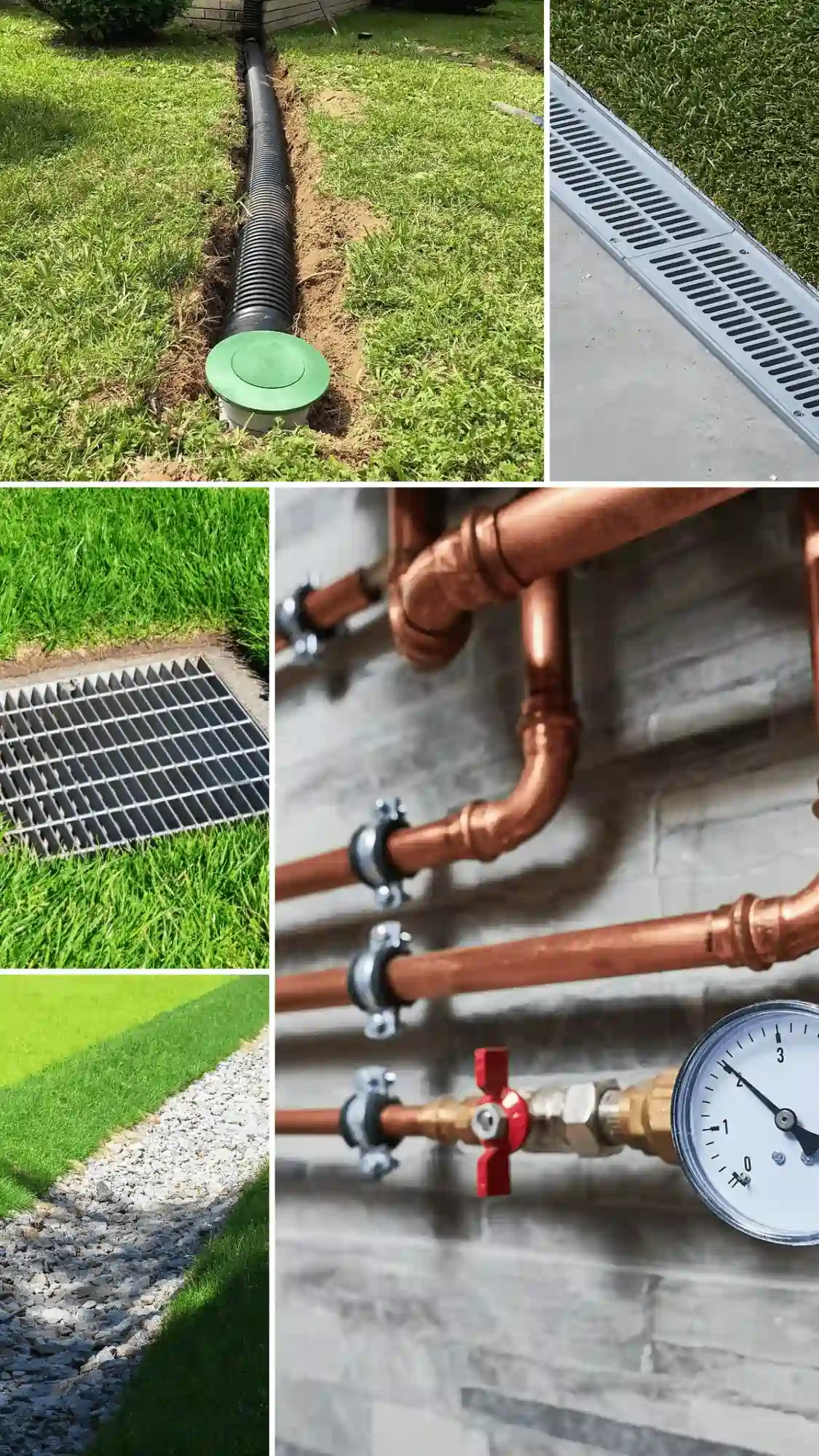
Irrigation performance and yard drainage are directly linked on most Lubbock properties. Caliche hardpan creates a near-impermeable layer that holds water at the surface rather than allowing it to percolate to root depth. When irrigation cycles are calibrated for normal soil but running on caliche, the result is surface pooling, runoff waste, and shallow root systems that stress quickly in summer heat. Correcting the drainage problem often makes the irrigation system perform better without any changes to the system itself. Our yard drainage services cover French drain installation, surface grading, and dry creek bed routing for properties where water management is the underlying issue.
Seasonal Irrigation Services
Spring startup (April 1): Controllers need reprogramming for the new time windows and the 1.5-inch-per-zone-per-week limit. We inspect heads for winter damage, test valve and sensor operation, and confirm zone coverage after freeze-thaw soil movement.
Fall winterization (before first freeze): Lubbock’s first freeze typically arrives in October. Lines, valve boxes, and backflow preventers above the frost line must be drained or blown out before that point. Operating an unwinterized system when temperatures drop below 35 degrees Fahrenheit violates city code and risks pipe expansion damage simultaneously. We schedule both services as annual packages timed to the ordinance changeover dates.
Drip Irrigation vs. Sprinkler Systems – Which Is Right for Your Lubbock Property?
| Comparison Table | Drip irrigation | Sprinkler system |
|---|---|---|
| Best for | Beds, trees, shrubs | Turf areas |
| Wind impact | None | Significant — 20 to 50% loss at 20 mph |
| Water efficiency | 90 to 95% | 70 to 80% (with rotary heads) |
| Lubbock ordinance | Restricted to assigned days | Restricted to assigned days |
| Freeze risk | Surface emitters vulnerable | Heads and lines vulnerable |
| Maintenance | Emitter cleaning, line checks | Head alignment, pressure balance |
| Cost to install | Lower per zone for beds | Higher per zone for turf coverage |
Lubbock’s Irrigation Watering Schedule
Lubbock operates a year-round irrigation restriction program enforced by the City of Lubbock Water Utilities Department. Violating the schedule is a code violation subject to fines. Every automated irrigation system in Lubbock must be programmed around these rules.
Spring and Summer schedule (April 1 through September 30): Irrigation is allowed on two assigned days per week, with allowed hours from midnight to 10:00 AM and from 6:00 PM to midnight only. Irrigate less than 1.5 inches per zone per week. No irrigation is allowed on Sundays under any conditions.
Assigned watering days are determined by the last digit of your property address: Addresses ending in 0, 3, 4, or 9 water on Mondays and Thursdays. Addresses ending in 1, 5, or 6 water on Tuesdays and Fridays. Addresses ending in 2, 7, or 8 water on Wednesdays and Saturdays.
Fall and Winter schedule (October 1 through March 31): The same two assigned days apply, but irrigation is allowed at any time of day on those days rather than within specific time windows. Irrigate less than 1 inch per zone per month. Irrigation is allowed only when temperatures are above 35 degrees Fahrenheit. Systems must not operate during precipitation events.
What is always allowed regardless of schedule: Hand watering with a hose, watering can, or pitcher is permitted any day of the week at any time throughout the year. The ordinance restrictions apply only to automated sprinkler and drip systems.
We program smart controllers to comply with these rules by default on every installation and reprogram existing controllers as part of seasonal service calls. Source: City of Lubbock Water Utilities, Chapter 22 Ordinance.
What Does Irrigation Work Cost in Lubbock, TX?
Irrigation costs in Lubbock vary by project type and system condition. New sprinkler system installation for a standard residential lot typically runs $2,500 to $5,000 depending on zone count, head type, and whether a new irrigation meter is required. Drip system installation for garden beds and planted areas runs $800 to $2,500 depending on area covered and emitter configuration.
Repair costs depend on the specific issue. Head replacement typically runs $15 to $40 per head for parts and labor on a standard service call. Valve replacement runs $80 to $180 per valve. Controller replacement with a smart unit compatible with the Lubbock ordinance schedule runs $150 to $400 installed. Whole-system spring startup and inspection visits typically run $75 to $150. Fall winterization blowout service runs $75 to $125.
Every job at Ace is quoted on-site before work begins. We do not provide phone estimates for repair work because the actual issue often differs from what is described until a technician is on-site.
Our Irrigation Process in Lubbock
Step 1 : Contact and consultation — Call (806) 809-9998 or submit the quote form describing your system and the issue. Most repair calls are scheduled within 2 to 3 business days.
Step 2 : On-site assessment — We inspect the full system: controller settings, zone operation, head condition, valve function, and sensor status. For drainage issues, we probe soil to identify caliche depth and outlet options.
Step 3 : Written quote — You receive a written scope with parts, labor, and timeline before any work begins. Installation quotes include zone layout, head specification, and ordinance compliance features.
Step 4 : Installation or repair and walkthrough — Work proceeds as quoted. At completion we confirm controller programming for your assigned watering days and time windows, test each zone, and verify sensor operation.
Areas We Serve
Ace Landscaping provides irrigation installation, repair, and maintenance throughout Lubbock and the surrounding South Plains region. We currently serve:
Lubbock, TX — Wolfforth, TX — Shallowater, TX — Plainview, TX — Levelland, TX — Slaton, TX — Idalou, TX — Abernathy, TX — New Deal, TX — Ransom Canyon, TX — Littlefield, TX — Brownfield, TX
Not sure if we cover your area? Contact us and we will confirm quickly.
Frequently Asked Questions
Related Services
Every part of your greenery is handled to improve its look and health.